
Food recalls are not uncommon, but when a beloved grocery chain like Trader Joe’s is involved, the situation quickly captures national attention. Known for its affordable, unique, and often health-conscious products, Trader Joe’s has built a strong reputation among loyal shoppers. That’s why the recent food recall has raised serious concerns, sparked widespread discussions, and left consumers asking an important question: how safe is the food in our kitchens?
This article takes a deep, human-centered look at the recall—what happened, why it matters, and what it means for everyday consumers.
Understanding the Recall: What Actually Happened
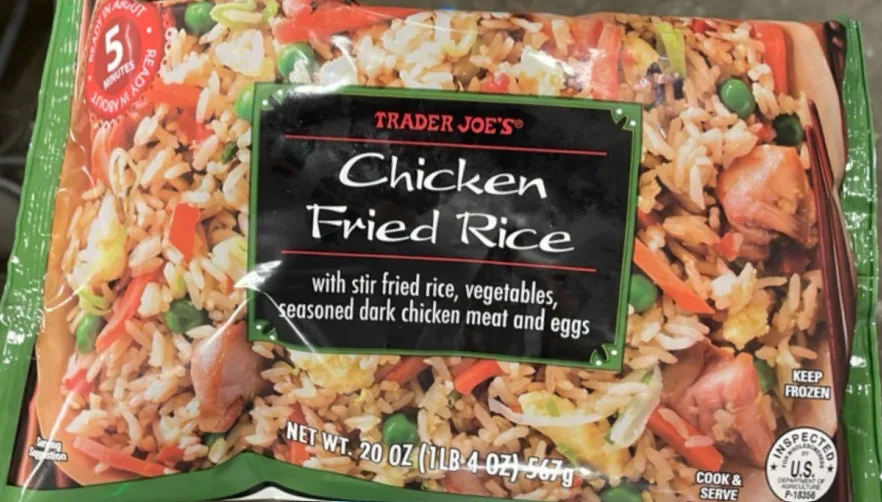
The recent Trader Joe’s food recall stems from reports of potential contamination in certain packaged food products. Specifically, concerns emerged over foreign material—most notably small pieces of glass—found in some frozen food items. While such incidents are rare, they are taken extremely seriously by both companies and food safety authorities due to the obvious health risks involved.
Once the issue was identified, the company acted quickly. Products suspected of contamination were pulled from shelves across multiple regions, and consumers were urged to either discard the items or return them for a full refund.
Although no widespread injuries were officially reported at the time of the recall, the possibility of harm was enough to trigger immediate action.
Why This Recall Is Different
Food recalls happen every year, but this one feels different for several reasons.
1. The Nature of the Contamination
Unlike bacterial contamination, which can often be eliminated through proper cooking, physical contaminants like glass pose an immediate and unavoidable danger. Even a tiny fragment can cause serious injury.
2. Consumer Trust at Stake
Trader Joe’s is not just another grocery store—it’s a brand built on trust. Customers associate it with quality, transparency, and safety. When a recall like this occurs, it doesn’t just affect sales—it impacts consumer confidence.
3. Viral Spread of Information
In today’s digital world, news spreads quickly. Social media platforms amplified the recall, turning it into a trending topic almost overnight. While this helps spread awareness, it can also increase panic and misinformation.
The Real Risks: What Consumers Need to Know
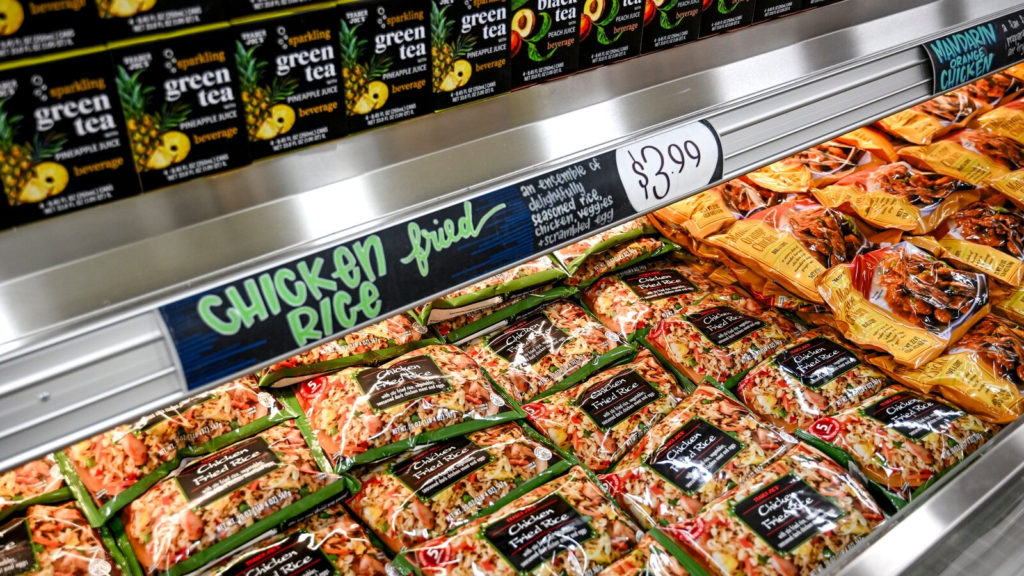
The most immediate concern with this recall is the risk of injury. Consuming food contaminated with glass can lead to:
- Cuts or injuries in the mouth and throat
- Damage to the digestive tract
- Internal bleeding in severe cases
Even the suspicion of such risks is enough to justify a recall. Food safety agencies operate under a “better safe than sorry” principle, which is why recalls often happen before any confirmed injuries are reported.
How Trader Joe’s Responded
To its credit, Trader Joe’s acted swiftly once the issue was identified. The company issued a public notice, removed affected products from store shelves, and provided clear instructions for consumers.
Customers were advised to:
- Check product packaging and batch details
- Stop consuming the affected items immediately
- Return products to the store for a refund
This type of response aligns with industry standards and shows a commitment to consumer safety. However, the incident still raises questions about how the contamination occurred in the first place.
What Went Wrong?
Food recalls often point to deeper issues within the supply chain. While exact details may vary, common causes include:
Manufacturing Errors
Contamination can occur during production if equipment malfunctions or if safety protocols are not strictly followed.
Supply Chain Complexity
Large retailers like Trader Joe’s rely on multiple suppliers. A problem at any stage—processing, packaging, or transportation—can lead to contamination.
Quality Control Gaps
Even with strict regulations, no system is completely foolproof. A lapse in inspection or testing can allow contaminated products to reach consumers.
The Bigger Picture: Food Safety in Modern Retail
This recall highlights a broader issue: the complexity of modern food systems. Today’s grocery items often pass through multiple hands before reaching store shelves. While this allows for efficiency and variety, it also increases the chances of something going wrong.
Food safety agencies work closely with companies to minimize risks, but recalls remain an essential part of the system. They are not just failures—they are also safeguards designed to protect the public.
How Consumers Can Protect Themselves
While companies and regulators play a major role, consumers also have a part to play in ensuring food safety.
Stay Informed
Keep an eye on official recall announcements. Many food safety authorities maintain updated lists of recalled products.
Check Packaging Carefully
Look for unusual signs such as damaged packaging or unexpected textures.
When in Doubt, Throw It Out
If you suspect a product may be unsafe, it’s better not to take the risk.
Report Issues
If you find something unusual in a product, report it to the store or relevant authorities. This helps prevent further incidents.
The Impact on Trader Joe’s Brand
Incidents like this can have both short-term and long-term effects on a brand.
Short-Term Impact
- Temporary drop in consumer confidence
- Increased scrutiny from regulators
- Negative media coverage
Long-Term Impact
- Opportunity to strengthen safety protocols
- Chance to rebuild trust through transparency
- Improved quality control systems
Brands that handle recalls responsibly often recover quickly, especially if they maintain open communication with customers.
Lessons for the Food Industry
This recall serves as a reminder for the entire food industry. Key takeaways include:
- The importance of rigorous quality checks
- The need for transparent communication
- The value of quick and decisive action
Companies that prioritize safety over profits are more likely to retain customer trust in the long run.
A Human Perspective: Why This Matters
At its core, this story is not just about a recall—it’s about people. It’s about families who trust the food they buy, individuals who rely on brands for quality, and the shared expectation that what we eat is safe.
When that trust is shaken, even temporarily, it leaves a lasting impression.
But it also reminds us of something important: the systems in place—recalls, inspections, and regulations—exist to protect us. While no system is perfect, the response to incidents like this shows that safety remains a top priority.
Frequently Asked Questions
1. What products were affected in the Trader Joe’s recall?
The recall primarily involved certain frozen food items suspected of containing foreign materials. Consumers should check official notices for specific product details.
2. What should I do if I purchased a recalled product?
Do not consume the product. Return it to the store for a full refund or dispose of it safely.
3. Is it safe to shop at Trader Joe’s after the recall?
yes. The company has removed affected products and continues to follow safety protocols. Recalls are a precautionary measure to ensure consumer safety.
4. How common are food recalls like this?
Food recalls happen regularly across the industry. They are part of standard safety procedures designed to protect consumers.
5. Can cooking eliminate the risk of contamination?
No. Physical contaminants like glass cannot be made safe through cooking.