
In today’s fast-paced digital world, buying a product is no longer just about walking into a store and picking the first option you see. With thousands of choices available online, consumers are more informed—and often more confused—than ever before. From tech gadgets to home essentials, every purchase comes with a critical question: is it really worth your money?
This ultimate product review guide is designed to help you cut through the noise, understand what truly matters, and make smarter buying decisions. Whether you’re shopping for daily essentials or high-value items, knowing how to evaluate products properly can save you both time and money.
Why Product Reviews Matter More Than Ever

Product reviews have become one of the most powerful tools in modern shopping. Before making a purchase, most people rely heavily on feedback from others. This shift has transformed the way businesses operate and how consumers make decisions.
Reviews provide real-world insights that marketing descriptions often fail to deliver. They highlight actual performance, durability, and usability. A product might look perfect in advertisements, but reviews often reveal hidden flaws or unexpected strengths. This transparency helps buyers avoid costly mistakes and choose products that truly meet their needs.
Moreover, reviews create accountability. Brands know that customers will share their experiences, which pushes companies to maintain quality and improve their offerings. As a result, consumers benefit from better products and more honest information.
Understanding What Makes a Product Worth Your Money
Not every expensive product is worth buying, and not every cheap product is a bad choice. Value is determined by a combination of factors, not just price.
The first thing to consider is functionality. A product should perform its intended purpose effectively. For example, a smartphone should have reliable performance, good battery life, and a user-friendly interface. If it fails in basic functionality, even the best design or brand reputation cannot justify the purchase.
Durability is another key factor. Products that last longer provide better value over time. Spending slightly more on a durable item can often save money in the long run compared to frequently replacing cheaper alternatives.
User experience also plays a significant role. A product should be easy to use and meet your expectations without unnecessary complications. Features are important, but they should enhance usability rather than make the product confusing.
Finally, consider after-sales support. Warranty, customer service, and return policies can make a big difference, especially for high-value purchases. A good support system adds to the overall value of a product.
Types of Product Reviews You Should Trust
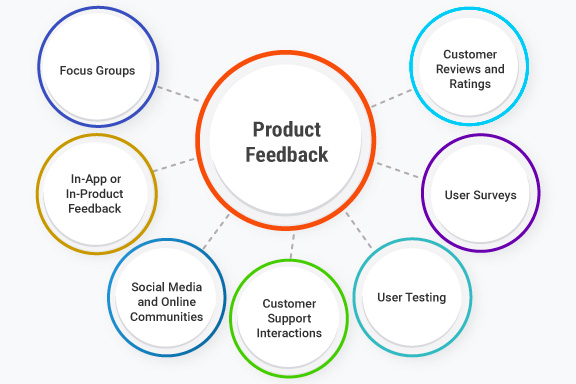
Not all reviews are created equal. Understanding the different types of reviews can help you identify which ones are reliable.
Expert reviews are often conducted by professionals who test products under controlled conditions. These reviews provide detailed insights into performance, specifications, and comparisons. They are especially useful for technical products like electronics.
User reviews, on the other hand, reflect real-life experiences. While they may lack technical depth, they offer practical insights into everyday usage. Reading multiple user reviews can help you identify common issues or consistent strengths.
Video reviews have also gained popularity. They provide a visual demonstration of the product, making it easier to understand how it works. Seeing a product in action can be more informative than reading about it.
However, it’s important to be cautious of biased or fake reviews. Sponsored content or overly positive feedback without any criticism should be approached with skepticism. A balanced review that includes both pros and cons is usually more trustworthy.
Key Factors to Evaluate Before Buying Any Product
Before making a purchase, it’s important to evaluate certain key factors that determine whether a product is worth your money.
Price vs performance is one of the most important considerations. A higher price does not always guarantee better performance. Compare similar products within the same price range to understand what you’re getting for your money.
Brand reputation can also influence your decision. Established brands often have a track record of quality and reliability. However, newer brands can sometimes offer better value, so it’s important to evaluate each product individually.
Features should be relevant to your needs. Many products come with advanced features that may not be necessary for everyone. Paying extra for features you won’t use is not a smart investment.
Customer feedback is another crucial factor. Look for patterns in reviews rather than focusing on individual opinions. Consistent complaints or praise can give you a clearer picture of the product’s performance.
Finally, consider long-term costs. Some products may have hidden expenses such as maintenance, accessories, or subscriptions. Understanding the total cost of ownership can help you make a more informed decision.
Common Mistakes to Avoid When Reading Reviews

While reviews are helpful, they can also be misleading if not interpreted correctly. One common mistake is relying on a single review. A single opinion does not represent the overall performance of a product. Always read multiple reviews to get a balanced perspective.
Another mistake is ignoring negative reviews. While it’s tempting to focus on positive feedback, negative reviews often highlight important issues. Understanding potential drawbacks can help you decide whether a product is suitable for your needs.
Overlooking the context of a review is another common error. A product that works well for one person may not be suitable for another due to different needs or preferences. Always consider whether the reviewer’s situation matches yours.
Lastly, be cautious of overly generic reviews. Reviews that lack specific details or sound repetitive may not be genuine. Look for reviews that provide clear examples and explanations.
How to Compare Products Effectively
Comparing products is an essential step in making a smart purchase. Start by identifying your priorities. Decide what features or qualities are most important to you, such as performance, price, or design.
Create a shortlist of products that meet your basic requirements. Then compare them based on key factors like specifications, user reviews, and price. This approach helps you narrow down your options and focus on the best choices.
Reading comparison reviews can also be helpful. These reviews analyze multiple products side by side, highlighting their strengths and weaknesses. This makes it easier to identify which product offers the best value.
It’s also important to consider real-world performance rather than just specifications. A product with impressive specs may not always deliver the best user experience. Practical performance should always be a priority.
The Role of Trends in Product Reviews
Trends play a significant role in influencing buying decisions. Products that go viral often attract a lot of attention, but popularity does not always equate to quality.
While trending products can be worth exploring, it’s important to evaluate them critically. Look beyond the hype and focus on actual performance and user feedback. Many viral products gain popularity due to marketing rather than genuine quality.
At the same time, trends can help you discover innovative products that you might not have considered otherwise. The key is to balance curiosity with careful evaluation.
Making Smart Buying Decisions
Making a smart purchase is about more than just finding the cheapest or most popular option. It involves understanding your needs, evaluating available options, and making an informed choice.
Start by setting a budget and identifying your priorities. Research products thoroughly and compare different options. Take your time to read reviews and understand both the advantages and disadvantages.
Avoid impulse buying, especially for high-value items. Give yourself time to think and evaluate whether the product truly meets your needs. A well-informed decision is always better than a rushed one.
Frequently Asked Questions (FAQs)
1. How can I tell if a product review is genuine?
Look for detailed reviews that include both pros and cons. Genuine reviews often provide specific examples and real experiences rather than vague statements.
2. Are expensive products always better?No, price does not always determine quality. Many affordable products offer excellent performance and value. It’s important to compare features and reviews rather than relying on price alone.
3. How many reviews should I read before buying a product?
It’s best to read multiple reviews from different sources. This helps you get a balanced understanding of the product’s performance and reliability.
4. What is the most important factor when choosing a product?
The most important factor is how well the product meets your needs. Functionality, durability, and user experience should be your top priorities.
5. Should I trust online ratings?
Online ratings can be helpful, but they should not be your only source of information. Always read detailed reviews to understand the reasons behind the ratings.