
Every year brings new trends, but 2026 feels different in many ways. The pace of change is faster, the influence of technology is deeper, and people are becoming more intentional about the choices they make. Trends are no longer just about what is popular for a short time. They are shaping how we live, work, and think on a daily basis.
Understanding these trends is not about following everything blindly. It’s about staying aware of what’s changing around you and deciding what fits into your life. When you understand trends, you gain insight into where the world is heading and how you can adapt in a way that feels natural.
The Shift Toward Simplicity and Minimalism
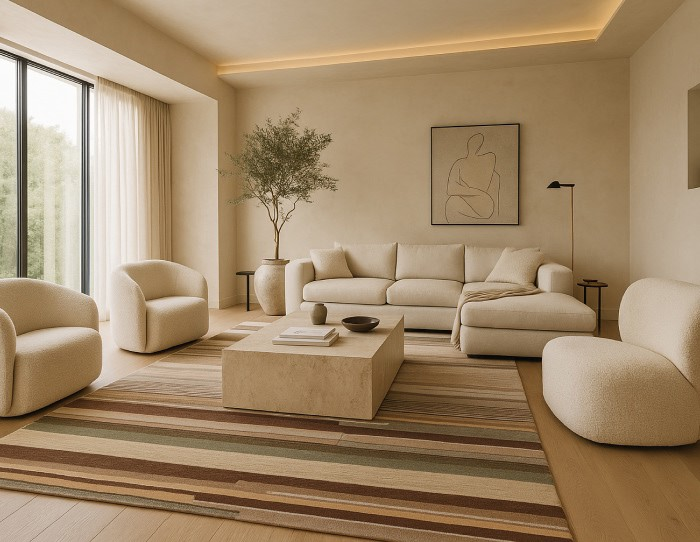
One of the most noticeable trends in 2026 is the growing preference for simplicity. People are moving away from excess and focusing more on what truly matters. This doesn’t just apply to physical spaces but also to lifestyle choices, work habits, and even digital consumption.
Minimalism is no longer about having less for the sake of it. It’s about creating space for what adds value. People are becoming more mindful of what they own, what they consume, and how they spend their time. This shift is leading to more thoughtful decisions and less unnecessary clutter.
As a result, simplicity is becoming a powerful trend that influences everything from fashion to home design and even personal routines.
Technology Becoming More Personal
Technology continues to evolve, but in 2026, it is becoming more personal than ever. Instead of just being functional, technology is adapting to individual needs and preferences. Devices and platforms are designed to understand behavior and provide more relevant experiences.
This personalization makes technology feel more intuitive. It blends into daily life rather than standing out as something separate. Whether it’s how content is recommended or how tools are used, the focus is on making interactions smoother and more efficient.
At the same time, people are becoming more aware of how much they rely on technology. This awareness is shaping how they choose to use it, creating a balance between convenience and control.
The Rise of Conscious Consumerism
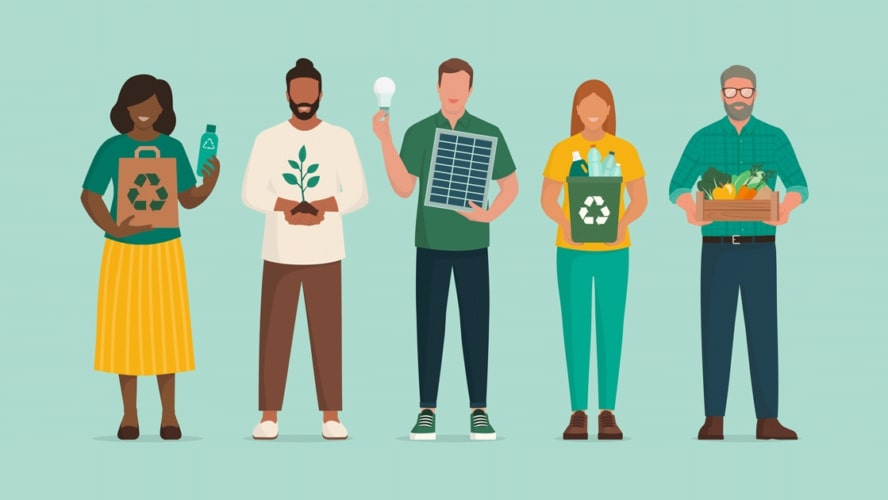
Consumers in 2026 are more informed and more intentional than before. People are not just buying products, they are thinking about the impact of their choices. This includes considering factors like quality, sustainability, and long-term value.
Conscious consumerism is about making decisions that align with personal values. It’s not about being perfect, but about being aware. People are asking questions before they buy, looking for transparency, and supporting brands that reflect their beliefs.
This trend is encouraging businesses to be more responsible and transparent. It is also helping consumers feel more connected to the products they choose.
The Influence of Digital Communities
Digital communities are playing a bigger role in shaping trends than ever before. People are connecting with others who share similar interests, and these communities are influencing opinions, preferences, and behaviors.
Instead of relying only on traditional sources, individuals are turning to online spaces for inspiration and advice. These communities feel more personal and relatable, making them a powerful force in shaping trends.
The sense of belonging that comes from these spaces is also important. People are not just following trends, they are participating in them and contributing to their growth.
The Evolution of Work and Productivity
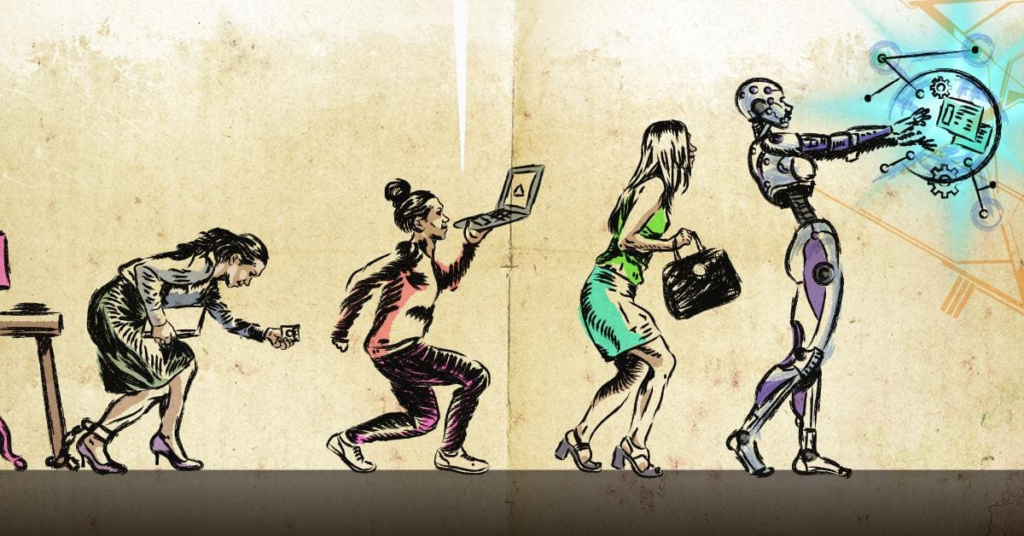
Work culture is changing rapidly, and 2026 is seeing a more flexible and balanced approach. People are redefining what productivity means and focusing on outcomes rather than just hours spent working.
There is a greater emphasis on work-life balance, mental well-being, and personal growth. Remote work and flexible schedules are becoming more common, allowing individuals to design routines that suit their needs.
This shift is also influencing how people view success. It’s no longer just about professional achievements, but about overall satisfaction and well-being.
Health and Wellness Becoming a Priority
Health and wellness are no longer trends limited to fitness or diet. In 2026, they have become a central part of everyday life. People are paying more attention to both physical and mental health.
This includes simple habits like better sleep, mindful eating, and regular movement. It also involves managing stress and creating routines that support overall well-being.
The focus is shifting from quick fixes to long-term habits. People are looking for sustainable ways to feel better rather than temporary solutions. This makes wellness a lasting trend rather than a passing phase.
The Growth of Learning and Self-Improvement
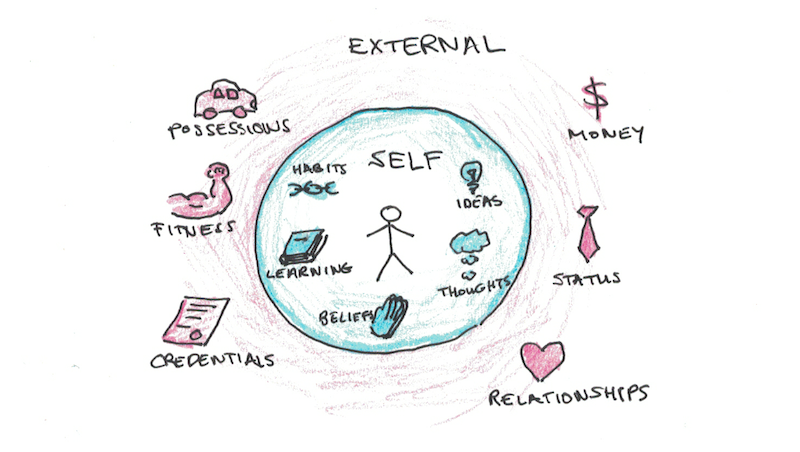
Another major trend in 2026 is the emphasis on continuous learning. People are no longer limiting education to formal settings. Learning has become a lifelong process that happens in many different ways.
From online courses to self-guided learning, individuals are taking control of their growth. They are exploring new skills, improving existing ones, and staying curious about the world around them.
This trend reflects a desire to adapt and stay relevant in a changing environment. It also highlights the importance of personal development in building confidence and resilience.
The Impact of Social Media Trends
Social media continues to shape trends, but its role is evolving. In 2026, authenticity is becoming more important than perfection. People are moving away from overly curated content and embracing more real and relatable experiences.
This shift is changing how trends spread. Instead of being driven solely by influencers, trends are now influenced by everyday users who share their genuine experiences.
Social media is also becoming a space for creativity and expression. It allows individuals to explore their interests and connect with others in meaningful ways.
Sustainability as a Long-Term Focus
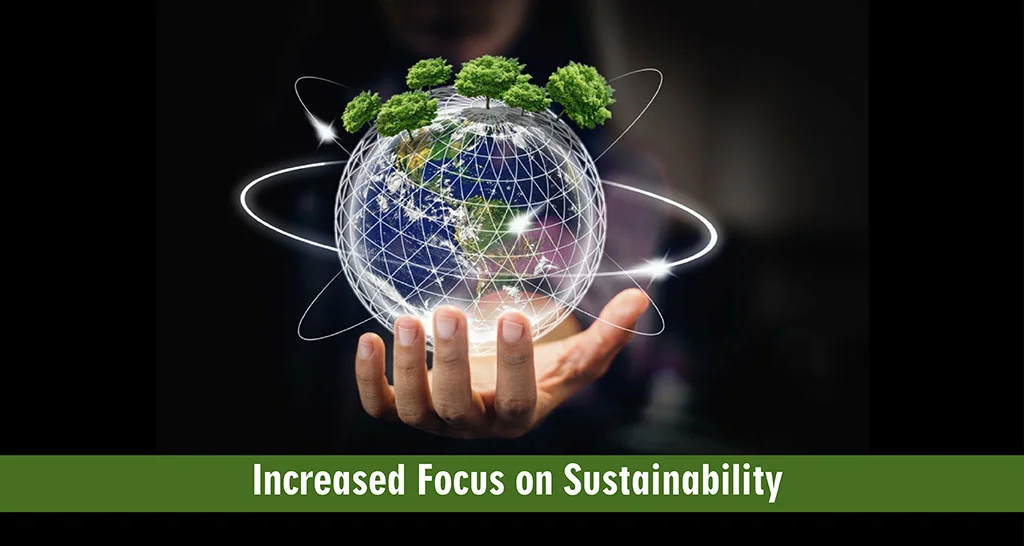
Sustainability is no longer just a buzzword. It has become a long-term focus that influences many aspects of life. People are becoming more aware of environmental impact and making choices that reduce waste and conserve resources.
This trend is visible in areas like fashion, packaging, and daily habits. Small changes, such as reducing unnecessary consumption or choosing durable products, are becoming more common.
Sustainability is not about making drastic changes overnight. It’s about making consistent efforts that contribute to a larger impact over time.
Adapting to Constant Change
One of the defining characteristics of 2026 is the speed of change. Trends evolve quickly, and staying updated can feel challenging. However, adaptability is becoming an essential skill.
Instead of trying to follow every trend, people are learning to focus on what aligns with their needs and values. This approach makes it easier to navigate change without feeling overwhelmed.
Adaptability also encourages growth. It allows individuals to explore new ideas, try different approaches, and find what works best for them.
Finding Your Place Within Trends
Trends can be inspiring, but they should not define your choices completely. The most important thing is to find what works for you. Not every trend will fit your lifestyle, and that’s perfectly okay.
When you approach trends with awareness, you can take what resonates and leave what doesn’t. This creates a sense of balance and authenticity in your decisions.
Your personal preferences and experiences play a big role in how you engage with trends. By staying true to yourself, you can make trends work for you rather than the other way around.
FAQs
1.What are trends and why are they important ?
Trends are patterns or changes in behavior, preferences, or ideas that become popular over time. They are important because they reflect how society is evolving and can influence decisions in daily life.
2.Should I follow every trend in 2026 ?
No, it’s not necessary to follow every trend. It’s better to focus on trends that align with your needs, values, and lifestyle.
3.How can I stay updated with the latest trends ?
You can stay updated by exploring reliable sources, engaging with communities, and staying curious about new developments.
4.Are trends always long-lasting ?
Not all trends last long. Some are temporary, while others evolve into lasting changes. Understanding the difference helps you make better decisions.
5.How do trends affect daily life ?
Trends influence how people dress, work, communicate, and make decisions. They shape habits and preferences over time.