
Shopping might seem like a simple everyday activity, but for beginners, it can quickly become confusing and overwhelming. With so many options, brands, price ranges, and online platforms, making the right choice is not always easy. In 2026, shopping has evolved beyond just visiting stores—it now includes digital marketplaces, personalized recommendations, and endless product comparisons.
For someone just starting out, whether you are a student, a first-time buyer, or someone trying to manage money better, understanding how to shop smartly is an important life skill. Good shopping habits not only help you save money but also ensure that you get the best value for what you spend.
This guide will help you understand the basics of shopping, avoid common mistakes, and make confident decisions every time you buy something.
Understanding What You Really Need
The first step in smart shopping is understanding your needs. Many people make the mistake of buying things simply because they look attractive or are trending. This often leads to unnecessary spending.
Before making any purchase, it is important to ask yourself whether you truly need the item. Needs are essential things that add value to your life, while wants are optional and based on personal preferences.
When you clearly understand your needs, you become more focused and avoid impulsive decisions. This simple habit can save you a lot of money over time.
Setting a Budget Before You Shop

One of the most important aspects of shopping is budgeting. Without a budget, it is easy to overspend, especially with so many tempting options available.
Setting a budget helps you control your spending and prioritize your purchases. It gives you a clear limit and prevents you from making decisions based on emotions.
In 2026, with digital payments and easy checkout options, spending can happen quickly. Having a budget ensures that you stay in control and make thoughtful choices.
Researching Before Buying
Research is a key part of smart shopping. Before buying any product, it is important to gather information about it.
This includes understanding the features, comparing prices, and reading reviews. Research helps you make informed decisions and avoid buying products that do not meet your expectations.
With the internet providing easy access to information, taking a few minutes to research can save you from future regret.
Understanding the Difference Between Quality and Price
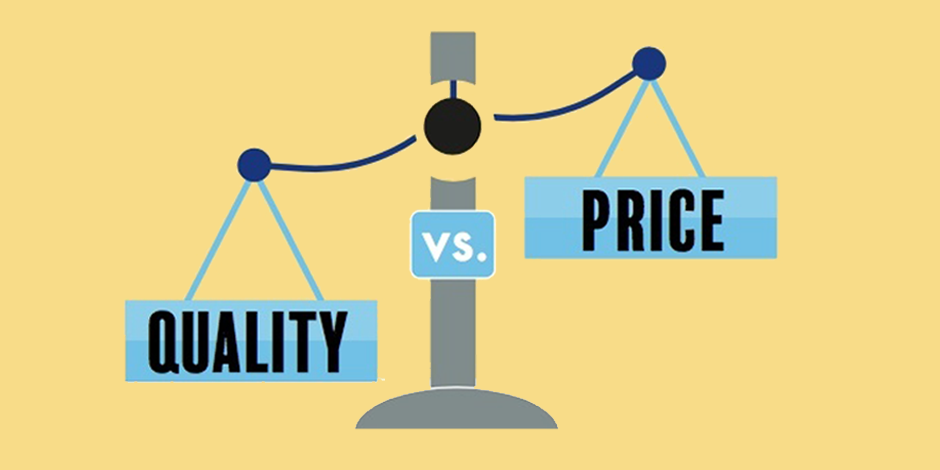
Many beginners assume that higher price always means better quality. While this may be true in some cases, it is not always accurate.
Quality depends on factors like materials, durability, and functionality. Some affordable products offer excellent quality, while expensive ones may not always justify their cost.
Learning to evaluate quality helps you make better decisions and get the best value for your money.
Online Shopping vs Offline Shopping
In 2026, shopping can be done both online and offline, each offering its own advantages.
Online shopping provides convenience, variety, and the ability to compare prices easily. It allows you to shop from anywhere and access a wide range of products.
Offline shopping, on the other hand, allows you to see and feel the product before buying. It reduces the risk of receiving something different from what you expected.
Understanding when to use each option helps you make smarter choices.
Avoiding Impulse Buying

Impulse buying is one of the biggest challenges for beginners. It happens when you make a purchase without planning or thinking.
This often leads to spending money on things you do not really need. Marketing strategies and discounts can make products seem more appealing than they actually are.
Taking a moment to think before buying can help you avoid this mistake. Giving yourself time to decide ensures that you make more rational choices.
The Importance of Comparing Options

Before making a purchase, it is always a good idea to compare different options. This helps you find the best product at the best price.
Comparing features, reviews, and prices allows you to understand what you are getting for your money. It also helps you avoid overpaying.
In a world with so many choices, comparison is one of the most powerful tools for smart shopping.
Understanding Discounts and Offers
Discounts and offers can be attractive, but they should be approached carefully. Not every deal is as good as it seems.
Sometimes, products are marked at higher prices and then discounted to create the illusion of savings. Understanding the original value of the product is important.
Buying something just because it is on sale is not always a good decision. It should still meet your needs and fit your budget.
Checking Return Policies and Warranties
Before making a purchase, especially online, it is important to check the return policy and warranty.
A good return policy ensures that you can return or exchange the product if it does not meet your expectations. A warranty provides protection against defects or issues.
Understanding these terms gives you confidence and reduces the risk of losing money.
Developing Smart Shopping Habits
Shopping is not just about individual purchases—it is about building habits. Developing good habits can improve your financial health over time.
This includes planning your purchases, avoiding unnecessary spending, and staying organized. Keeping track of your expenses also helps you understand your spending patterns.
Smart habits make shopping easier and more efficient.
The Role of Technology in Shopping

Technology has transformed the way people shop. In 2026, apps and platforms provide personalized recommendations based on your preferences.
While this makes shopping more convenient, it can also encourage overspending. Being aware of how technology influences your decisions is important.
Using technology wisely helps you take advantage of its benefits without falling into its traps.
Building Confidence as a Shopper

For beginners, shopping can feel overwhelming at first. However, with experience and practice, it becomes easier.
Confidence comes from understanding your needs, doing proper research, and making informed decisions. Each purchase teaches you something new.
Over time, you develop a sense of what works for you and what doesn’t.
Conclusion
Shopping is a skill that improves with time and experience. By understanding your needs, setting a budget, and making informed decisions, you can become a smart shopper.
In 2026, with so many options available, the ability to shop wisely is more important than ever. It helps you save money, avoid mistakes, and make better choices.
Remember, good shopping is not about buying more—it is about buying better.
FAQs
1.What is the first step in smart shopping ?
Understanding your needs is the most important first step.
2.How can I avoid overspending ?
Setting a budget and sticking to it can help you control your spending.
3.Is online shopping better than offline ?
Both have advantages, and the choice depends on your needs.
4.How do I know if a product is worth buying ?
Researching and comparing options can help you decide.
5.Why is impulse buying bad ?
It leads to unnecessary spending and poor financial decisions.