
In today’s fast-paced world, managing money wisely has become more important than ever. With endless options available both online and offline, it’s easy to overspend without even realizing it. That’s where budget shopping comes in. Budget shopping is not about limiting yourself or avoiding purchases altogether—it’s about making smarter decisions so you can get the most value for every rupee you spend. By developing the right habits and mindset, you can enjoy shopping while still saving money.
Understanding the Concept of Budget Shopping
Budget shopping starts with awareness. It means understanding your income, your expenses, and how much you can realistically spend without affecting your financial stability. Many people assume that budgeting is restrictive, but in reality, it gives you more control over your money. Instead of wondering where your money went, you make intentional choices about where it should go.
This approach helps you prioritize your needs over your wants. It doesn’t mean you can’t buy things you enjoy—it simply means you plan for them. When you shop with a clear idea of your budget, you avoid unnecessary purchases and focus on what truly matters.
Planning Before You Shop
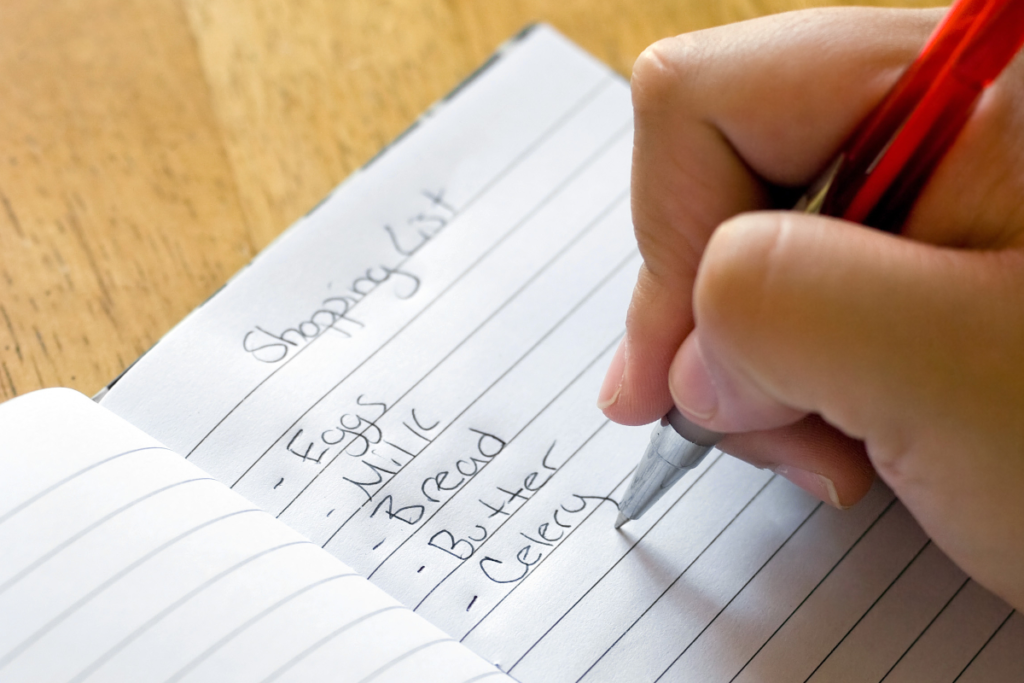
One of the most effective ways to save money is to plan your purchases in advance. Shopping without a plan often leads to impulse buying, which can quickly drain your budget. Before making any purchase, take a moment to think about whether you actually need the item or if it’s just a temporary desire.
Creating a simple list can help you stay focused. Whether you’re shopping for groceries, clothes, or electronics, having a clear list reduces the chances of buying unnecessary items. It also makes your shopping experience more efficient and less stressful.
Comparing Prices for Better Deals
Price comparison is a powerful tool for budget shoppers. The same product can have different prices across various platforms or stores. Taking a few extra minutes to compare prices can lead to significant savings over time.
Online tools and apps make this process even easier by showing you multiple options in one place. Instead of settling for the first price you see, exploring different options ensures that you get the best deal available. This habit can make a noticeable difference in your overall spending.
Using Discounts, Coupons, and Cashback
Saving money becomes easier when you take advantage of available offers. Discounts, coupons, and cashback deals are some of the most effective ways to reduce your expenses. These offers are widely available and can be used on a variety of products.
The key is to use them wisely. Applying a coupon or cashback offer to a planned purchase can help you save money, but using them for unnecessary items defeats the purpose. When combined with smart planning, these tools can significantly lower your overall spending.
Shopping at the Right Time

Timing plays a crucial role in budget shopping. Prices often fluctuate based on demand, season, and promotional events. Shopping during sales, festive seasons, or clearance periods can help you get better deals.
For example, buying seasonal items at the end of the season often results in lower prices. Similarly, major sales events offer discounts on a wide range of products. Being patient and waiting for the right time can lead to better value for your money.
Choosing Quality Over Quantity
One of the biggest misconceptions about budget shopping is that it’s all about buying the cheapest products. In reality, focusing only on low prices can lead to poor-quality purchases that need frequent replacement. This can actually cost more in the long run.
Choosing quality over quantity is a smarter approach. Investing in durable and reliable products ensures that you get long-term value. While the initial cost may be higher, the overall savings can be significant as you avoid repeated purchases.
Avoiding Impulse Buying
Impulse buying is one of the main reasons people struggle to stick to their budget. Attractive displays, limited-time offers, and emotional triggers can lead to unplanned purchases. While these may feel satisfying in the moment, they often result in regret later.
Developing self-control is essential for budget shopping. Taking a moment to pause and think before making a purchase can help you avoid unnecessary spending. Asking yourself whether the item is truly needed can make a big difference.
Tracking Your Spending
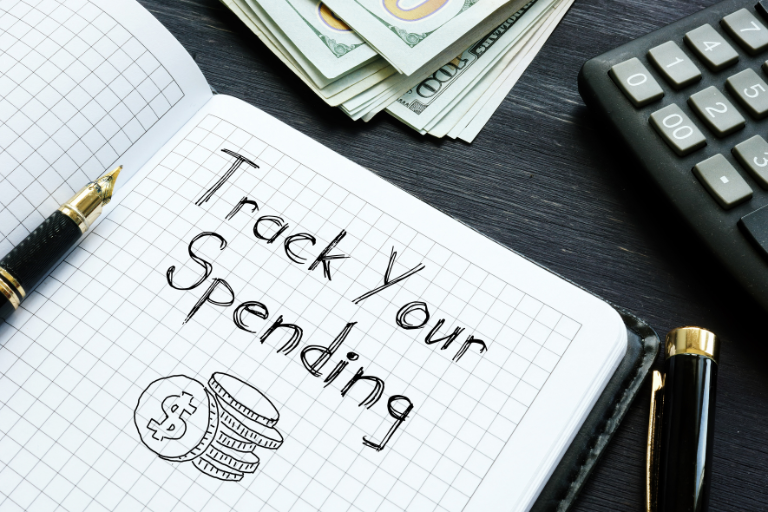
Keeping track of your expenses is an important part of managing your budget. When you know where your money is going, you can identify areas where you can cut back. This awareness helps you make better decisions in the future.
There are many tools and apps available that make tracking expenses simple and convenient. Even a basic record of your purchases can provide valuable insights into your spending habits.
Building Smart Shopping Habits
Budget shopping is not a one-time effort—it’s a habit that develops over time. The more you practice mindful spending, the easier it becomes. Small changes, such as comparing prices or using coupons, can gradually become part of your routine.
Consistency is key. By making smart choices regularly, you can create a sustainable approach to shopping that benefits you in the long run. Over time, these habits can lead to significant savings and improved financial stability.
The Role of Mindset in Saving Money
Your mindset plays a crucial role in how you approach shopping. Instead of viewing budgeting as a limitation, see it as a way to achieve your financial goals. This positive perspective can make the process more enjoyable and rewarding.
When you focus on value rather than price, you make better decisions. You begin to appreciate the importance of spending wisely and saving for the future. This shift in mindset can have a lasting impact on your financial well-being.
Long-Term Benefits of Budget Shopping
The benefits of budget shopping go beyond immediate savings. By managing your money effectively, you can reduce financial stress and build a more secure future. Savings from everyday purchases can be used for important goals such as education, travel, or emergencies.
Budget shopping also helps you develop discipline and awareness. These skills are valuable not just for shopping but for overall financial management. Over time, they can lead to greater confidence and control over your finances.
Frequently Asked Questions
1.What is budget shopping?
Budget shopping is the practice of managing your spending by planning purchases, comparing prices, and focusing on value to save money.
2.How can I start budget shopping?
You can start by setting a budget, making a shopping list, and avoiding impulse purchases. Tracking your expenses also helps.
3.Is budget shopping only about buying cheap products?
No, it’s about getting the best value for your money. Sometimes spending a little more on quality can save money in the long run.
4.How do I avoid impulse buying?
Plan your purchases, stick to a list, and take time to think before buying something. Avoid shopping when you feel emotional or bored.
5.Are discounts and coupons helpful for budget shopping?
Yes, they can significantly reduce your expenses when used wisely on planned purchases.